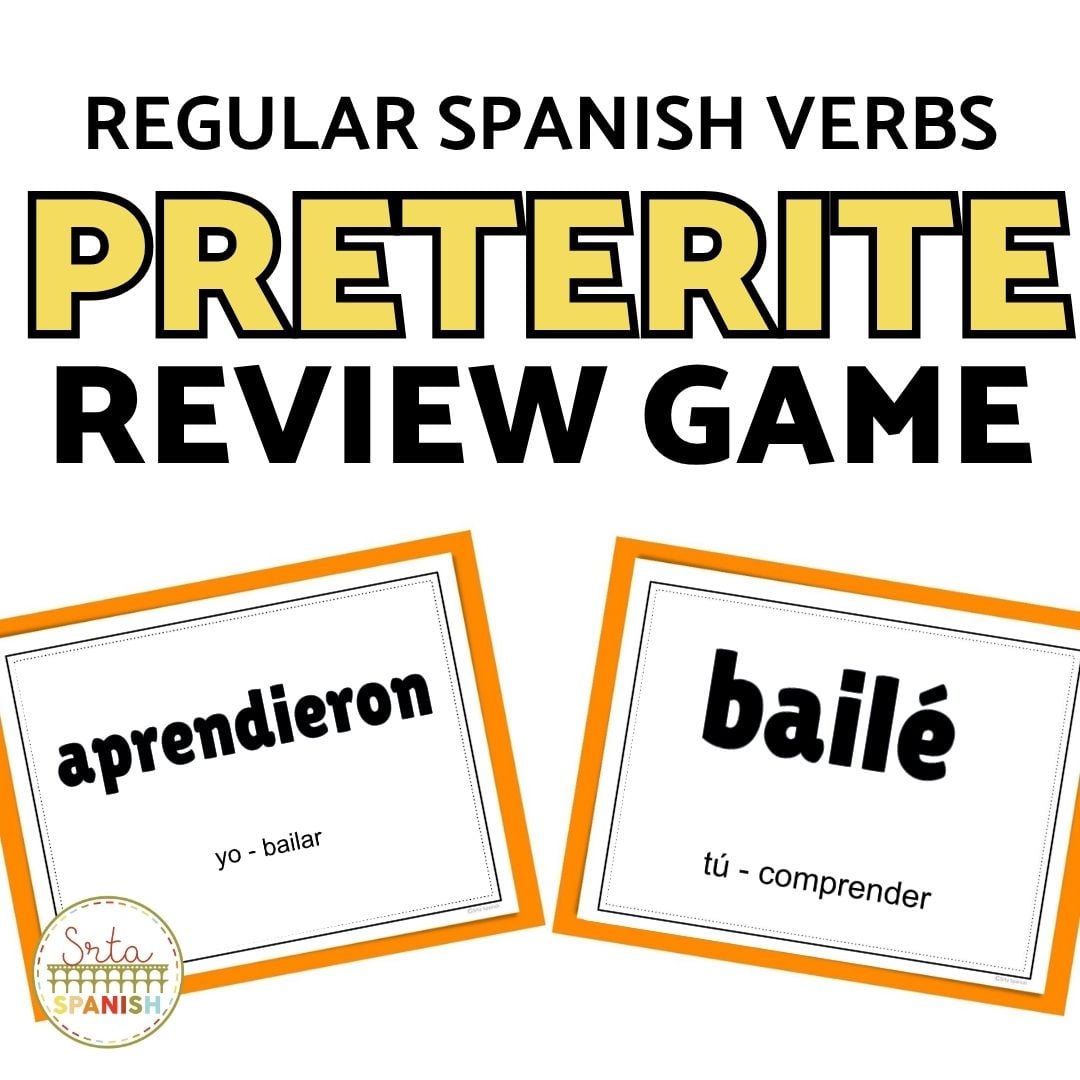
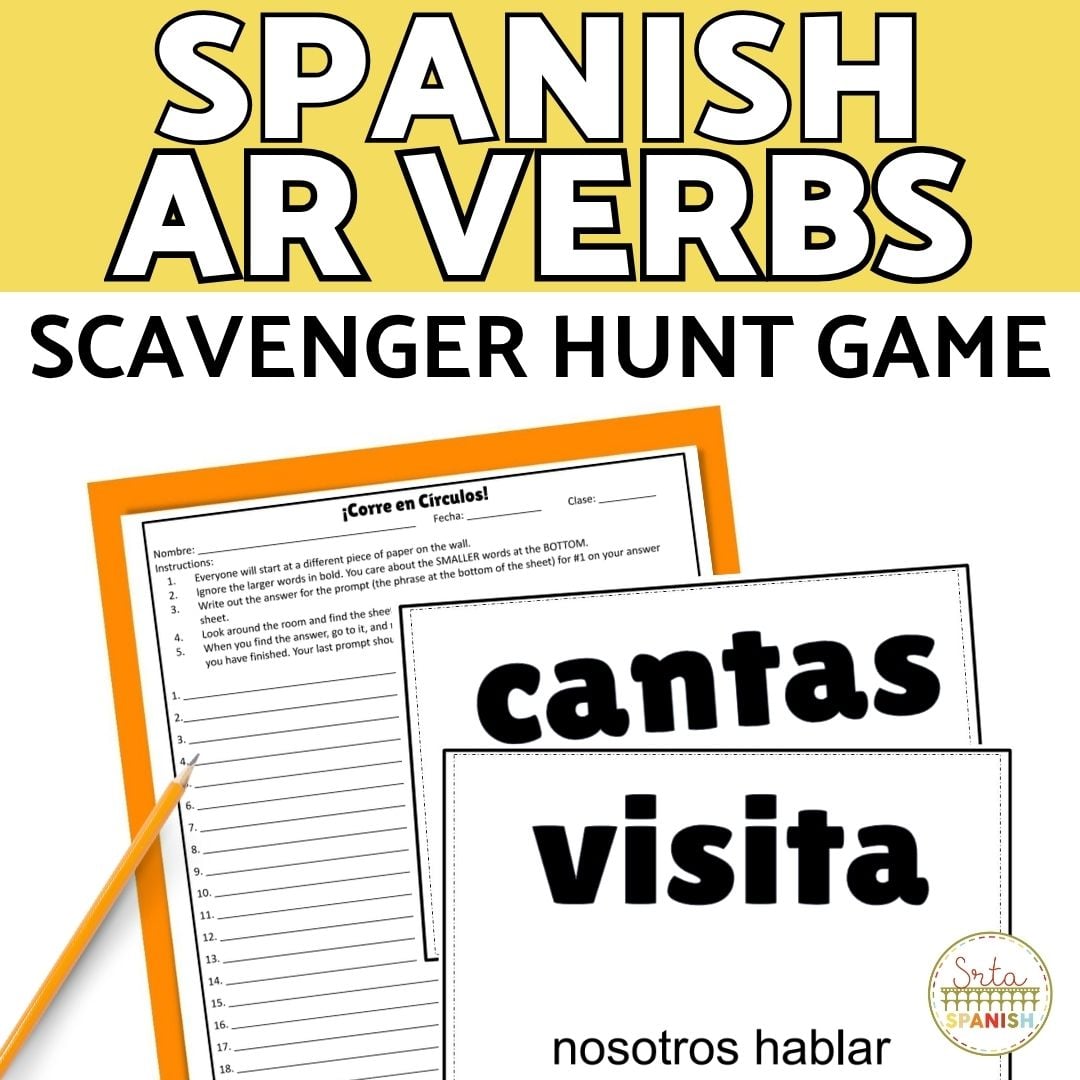
Join Erin from The Engaged Spanish Classroom and I as we chat about using projects in Spanish class! Projects are a great option to review and assess your students. Printable and digital options for individual students and small groups, how frequently to use them, and tips for making sure projects go smoothly in your classroom!

Using Projects in Spanish Class
Summarized Q&A
- How frequently do you use projects?
6-10 times a year - Digital vs pen & paper – what do you prefer?
I like to give options for students! I find myself leaning towards digital, but I love for students to have choice and be able to show what they know in a form they’re engaged with. - Do you prefer individual or group projects?
I’m all about student choice! The majority are individual because I use them as an assessment and I want to see how they do. Many of them start off as a pair or small group project, and become more individual as they go through the project. - How do you manage digital projects with Google Translate?
They have time in class to do everything. I circulate and support them in class as much as possible, and keeping an eye on it in Google Classroom as well. 2020-2021 has been a different beast, but my choice is always to work in person, not to take the project home so I can keep a close eye on it. - What are you favorite ways to incorporate student choice?
Digital vs paper, group vs individual, but also allowing options within the project. For example, a requirement might be that they need to complete 6 prompts or situations from the project and they choose from 10 options. - How does your grading work and what does your process look like?
I like to look for what my students have done well and what they show me that they know. We use proficiency rubrics that really help the students show what they can do!

Easy Ways to Boost Engagement with Projects in Spanish Class
One of the reasons I love using projects in Spanish class is how easily they encourage real connection. Instead of memorizing vocabulary in isolation, students work with the language in a way that feels natural and personal. These kinds of activities let them explore new ideas while still practicing what they’ve learned.
Try assigning something a little outside the box. Digital comic strips, “day in the life” video diaries, or even a pretend travel vlog are all awesome ways to turn projects in Spanish class into meaningful experiences. Students can dive into culture and grammar at the same time, without it feeling like a traditional test.
Looking for something more hands-on? Host a classroom “gallery walk” where students display posters or research findings. They can present to peers as if they were museum docents. Not only is it interactive, but it’s also a great way to get students speaking, listening, and absorbing lots of input from each other.
Learn more from Erin!
Erin says, “I love that projects are flexible, and give students the opportunity to showcase their skills in different ways. They allow my students to shine in ways that tests typically do not. I also love incorporating student choice as much as I can. That is a feat that is accomplished very easily with projects!”
Research Poster Projects for Spanish Class
One of my favorite things about teaching Spanish is watching them explore the culture! From learning about Spanish-speaking countries to learning about famous artists around the world, studying history and culture is important for your students. A great option to teach your students about culture is through their own discovery of the different topics. Check out these research projects for Spanish class!
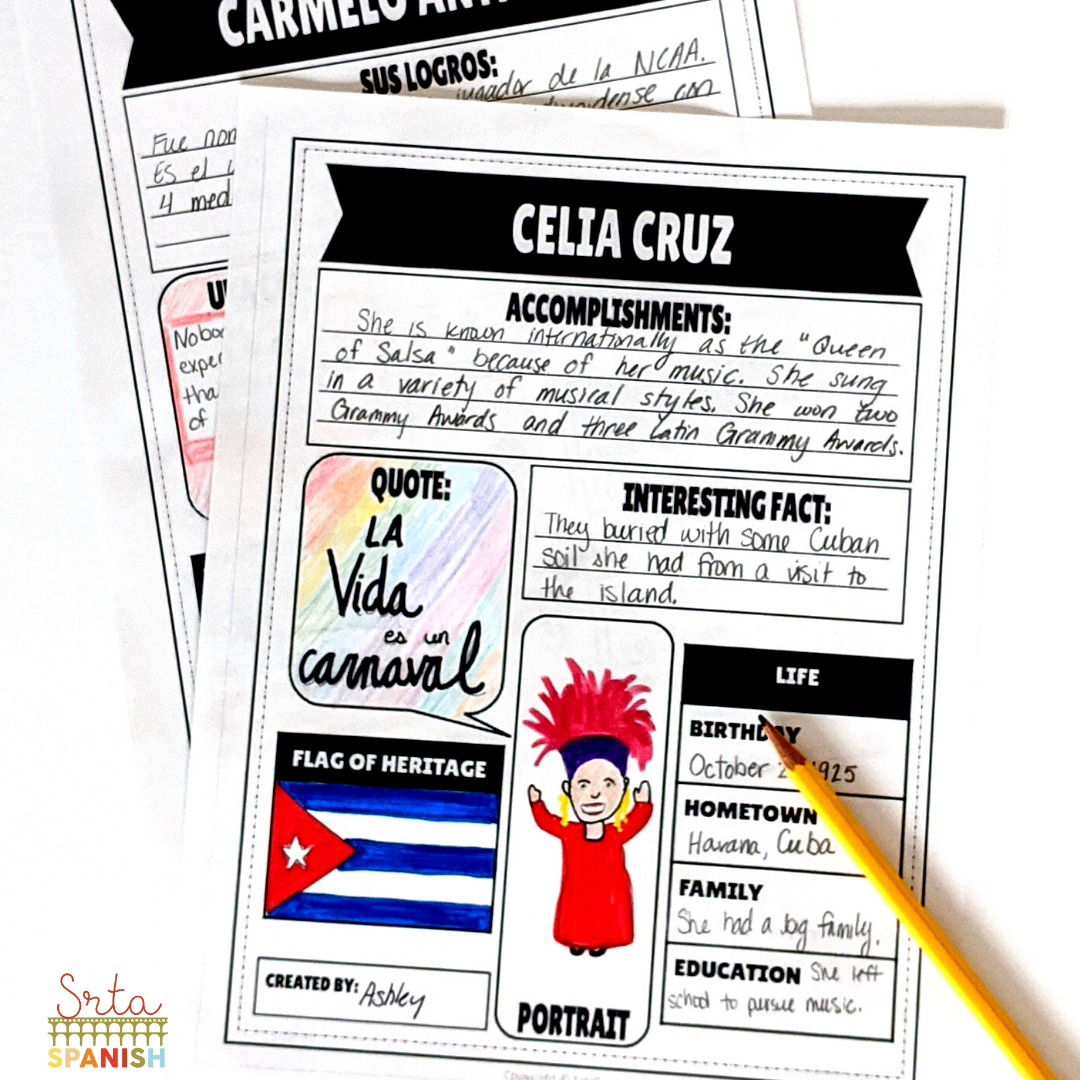
Click here to see the blog post with 6 research poster projects for Spanish class!
Tips to Make Projects in Spanish Class Go Smoothly
If managing all the moving pieces feels overwhelming, keep things simple with built-in structure. I always break down big assignments into checkpoints, so students stay on track and I can support them as they go. When using projects in Spanish class for assessments, I also include reflection questions that invite students to think about what they learned and how they learned it.
Rubrics, templates, and choice boards can make all the difference. Giving students some control over format or topic lets them feel ownership of their work, which usually results in higher quality projects. And if you’re short on prep time, try rotating templates or adapting a favorite project from earlier in the year to match new content.
Do you use projects in your Spanish classroom?


-
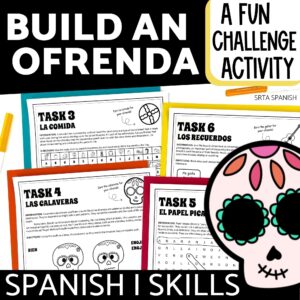
El Día de los Muertos Activities Day of the Dead Escape Room Spanish Lesson Plan
$4.25 Add to cart -
Sale!
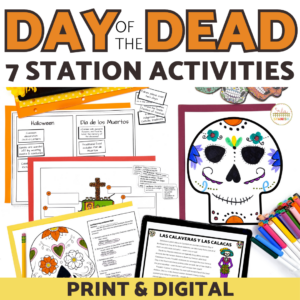
Día de los Muertos Activities for Exploring Day of the Dead
Original price was: $12.59.$8.12Current price is: $8.12. Add to cart -

Día de los Muertos Day of the Dead Digital Activities in English
$3.75 Add to cart -
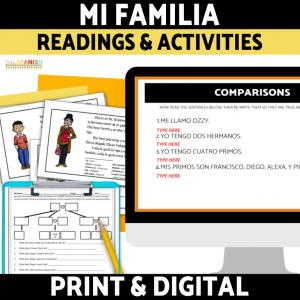
La Familia Spanish Family Tree Vocabulary Activity Reading Comprehension Passage
$5.25 Add to cart