Let’s talk about how to read a novel with your Spanish class. How long should a unit be? What sorts of activities should you do? How do you assess your students when reading a novel? We’re going to dig into all your frequently asked questions and more!

Using Readers in Spanish Class
In this series of posts we’ve been talking about using readers with students. We started with talking about FVR, then we looked at top recommendations for books for various levels, and today we have a special guest who is an expert in using novels with her classes – Allison from Mis Clases Locas!
I have personally never taught a novel to a class as a whole group so I reached out to Allison who agreed to come share her expertise with us. She’s going to answer our top asked questions about using readers in class, and then give us some resources for where we can get more support if needed!
Check out the other posts for How to Read a Novel with your Spanish Class in this series:
- Free Voluntary Reading
- Classroom Library List
- Where to find reading materials for Spanish class
- Popular Recommendations for Readers in Spanish 1-AP
How to Read a Novel with your Spanish Class
- How many novels do you do in a year with each level?
- How long do you spend on a novel – and how do you know it’s the “goldilocks” pace (not too fast, not too slow)?
- Do we need to read each chapter out loud? What sorts of activities do you do with a novel other than “just read”? How do you keep students engaged while working with a book?
- How do you assess or wrap up a novel unit? Do you do a test? A project? What do you recommend?
- How do you differentiate for the various levels when working with a reader in a class? Have you ever tried reading groups where they’re reading different books? Would you recommend it?
- How do you incorporate culture while teaching a novel?
- Do you have any tips for working with readers while on a block? Thinking about longer class periods to engage students, but also longer periods of time in between classes to keep them remembering what’s happening in the story.
- How do you balance your budget between getting readers vs individual books for your classroom library and free voluntary reading?
Connect with Allison
Learn more from Allison on her website misclaseslocas.com. She has over 80 blog posts discussing readers and how she has used them in her classroom!
Here are her top 5 suggested novel posts:
- How to Teach Comprehensible Spanish Books
- Using Novels as the Core of a Spanish Class Curriculum
- Upper Level Literature Circles
- 20 Activities for Spanish Class Novels
- How to Start Free Reading (FVR)
How to Hook Students from the Very First Chapter
We’ve all been there. You hand out the novels and five minutes later someone is already asking to go to the bathroom. Let’s stop that before it starts. Begin your novel unit with a teaser. Read the first paragraph dramatically. Give them a one-line spoiler. Play a mystery audio clip from the book and ask what do you think is going on here. This isn’t just hype. It’s building anticipation and curiosity.
You can also invite students to cast the characters before reading. Show them headshots or celebrities and let them debate who would play the main character. Add a twist where every time a student finds something out about a character that doesn’t match the casting, they can call for a recast. It’s fun, it’s silly, and it keeps them paying close attention to the text.
Novel Units That Feel Like a Story Adventure
Instead of treating the novel like a checklist, turn it into a full experience. Use weekly themes to break up the routine. Try Drama Week where students act out key scenes in their own words. Accents and flair encouraged. Then go into Culture Week with music, food, or traditions from the story’s setting. These themes make every week feel fresh and exciting.
Let students take the lead. Give them the chance to write review blogs, make character podcast episodes, or design escape rooms based on the plot. These kinds of projects pull them deeper into the story without feeling like work. They’ll be thinking in Spanish and expressing themselves without even realizing how much they’re learning.
Turn Reading Into a Community Event
Reading doesn’t have to be a solo activity. Set up student book clubs with roles like discussion leader, quote finder, or illustrator. Let them create a group name and decorate their corner of the room to match their novel. It becomes something they look forward to and take pride in.
Add weekly book awards voted on by the class. Think Best Quote, Weirdest Moment, Most Suspicious Character. It sounds simple but these mini celebrations build classroom connection and make the story feel like a shared journey.
When students connect with the characters, the story, and each other, that’s when the real magic happens. That’s how to read a novel with your Spanish class and when reading becomes unforgettable.
More Reading Activities for your Classroom Novels
Thanks so much to Allison for sharing her expertise with us! One of the most frequently asked questions that came up in the survey was looking for ideas for what to DO with the readings, so I just wanted to add my playlist of reading activities for you here. This is chock full of ideas you can do with any reading, so you could pull out a chapter, or just do it with a short story, or any selection! Click here to check it out.
Check out the other posts in this series:
- Free Voluntary Reading
- Classroom Library List
- Where to find reading materials for Spanish class
- Top Recommendations for Readers in Spanish 1-AP
Save this post for How to Read a Novel with your Spanish Class!


-
El Día de los Muertos Activities Day of the Dead Escape Room Spanish Lesson Plan
$4.25 Add to cart -
Sale!
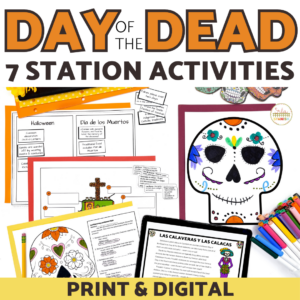
Día de los Muertos Activities for Exploring Day of the Dead
Original price was: $12.59.$8.12Current price is: $8.12. Add to cart -
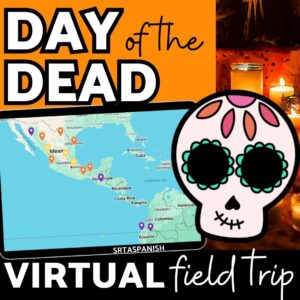
Día de los Muertos Day of the Dead Digital Activities in English
$3.75 Add to cart -
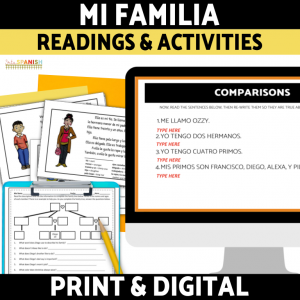
La Familia Spanish Family Tree Vocabulary Activity Reading Comprehension Passage
$5.25 Add to cart