This Listen, Write, Draw activity is an example of one of those activities I had been doing before I encountered comprehensible input strategies that I didn’t have to throw out the window! It’s low-energy for the teacher and students, but a great way for students to be hearing those messages! It’s also a good way for you to do a formative assessment of their understanding as they illustrate the sentences. Let’s take a closer look!
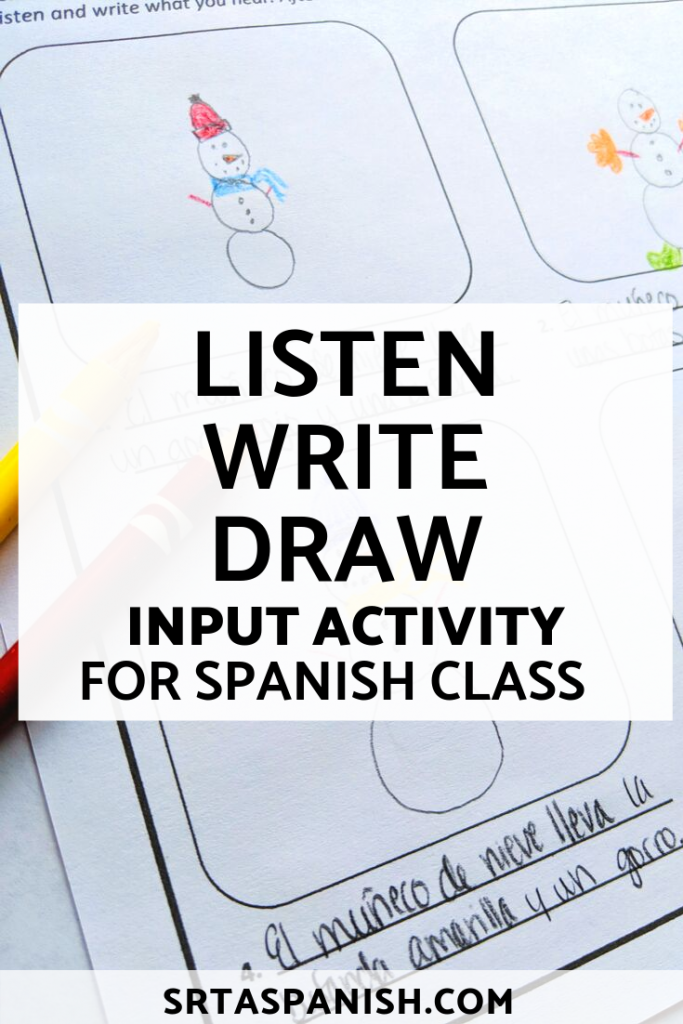
Listen, Write, Draw is really very similar to Classic Dictation. Here’s how it works:
- Students listen to you read sentences.
- Then they write what they hear.
- Finally, students draw what they understand.
Simple, right? There are a few things I like to do to change it up in my classroom when I use this activity! As much as I love Classic Dictation and how calm and low-energy it is, it still requires me to be front and center as I deliver the sentences, then provide the correct responses. Some days, I just don’t want to repeat reading sentences over and over again!
Let’s be honest, we all have those days where pressing play sounds way better than projecting our voice across the room.
And giving students more independence while still delivering input? Total win.
Also, when you add in the drawing aspect of Listen, Write, Draw, I like to give students the option to spend a good amount of time illustrating sentences to show how they understand.
Why Listen, Write, Draw Just Works in the Language Classroom
Listen, Write, Draw is one of those rare gems in language teaching that’s simple, low-prep, and surprisingly fun for students. It builds on the familiar structure of classic dictation but adds a creative twist that taps into your students’ imaginations. It’s especially great for visual learners and gives you a clever way to check comprehension without a quiz. Even better, it works beautifully with comprehensible input strategies. This activity slides seamlessly into any unit, whether you’re reviewing vocab or reinforcing story elements. And the bonus? You don’t have to be front and center the whole time. Input, creativity, and comprehension all in one? Yes, please.
How do I make these tweaks? I like to record the sentences ahead of time and post them in Google Classroom! Then, after our start of class and daily routine I have students take out their devices and complete the activity individually. They can listen and re-listen if they want to, and I encourage them to take a significant amount of time to make their drawings complete.
Tips to Make This Even Better
What makes Listen, Write, Draw even more powerful is how flexible it is. You can tweak the difficulty, add follow-up writing, or have students share their drawings with classmates for even more input. Not feeling like reading the sentences aloud for the fifth time that day? Record your voice and upload it to Google Classroom. Students can listen and re-listen at their own pace, giving them more control while freeing up your voice. The drawing element not only boosts engagement but gives you an easy window into how well students understand. It’s one of those activities that feels light but delivers major value.
Read and Draw Activities
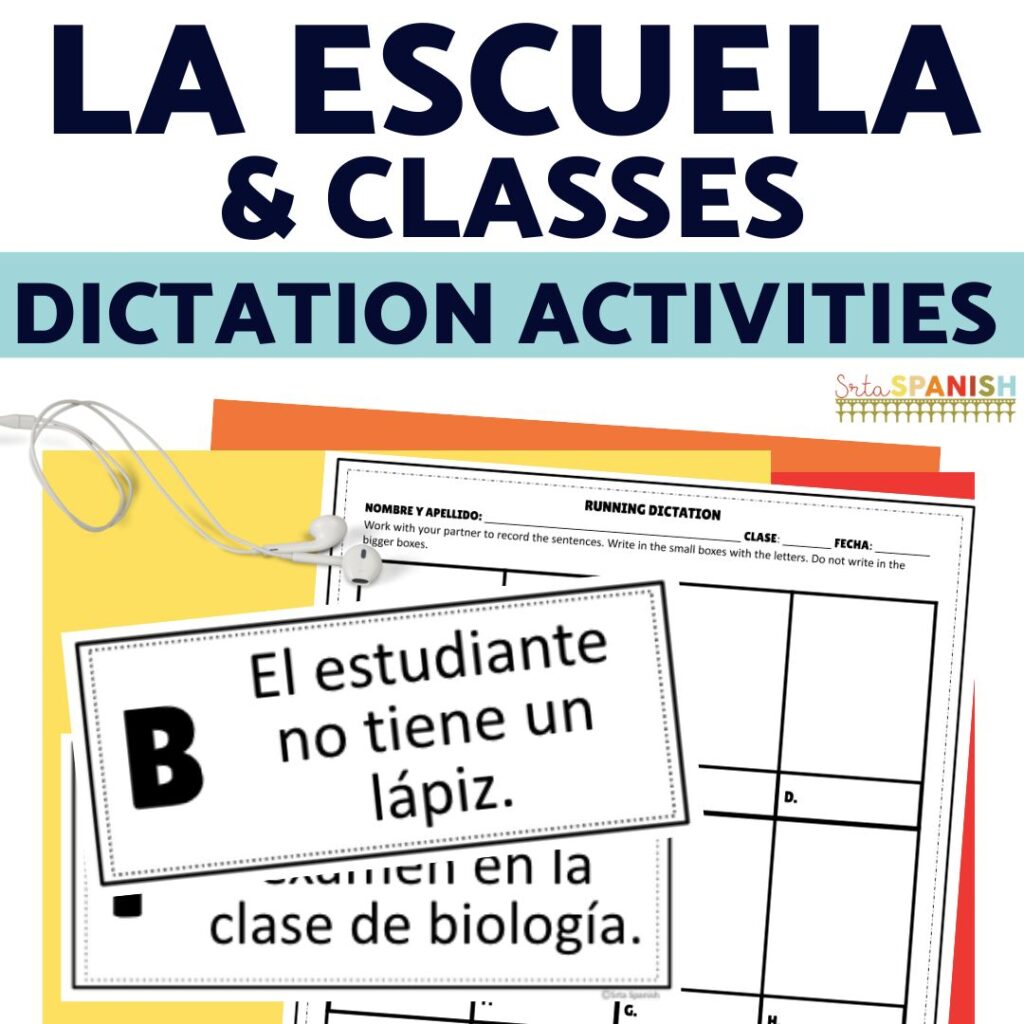
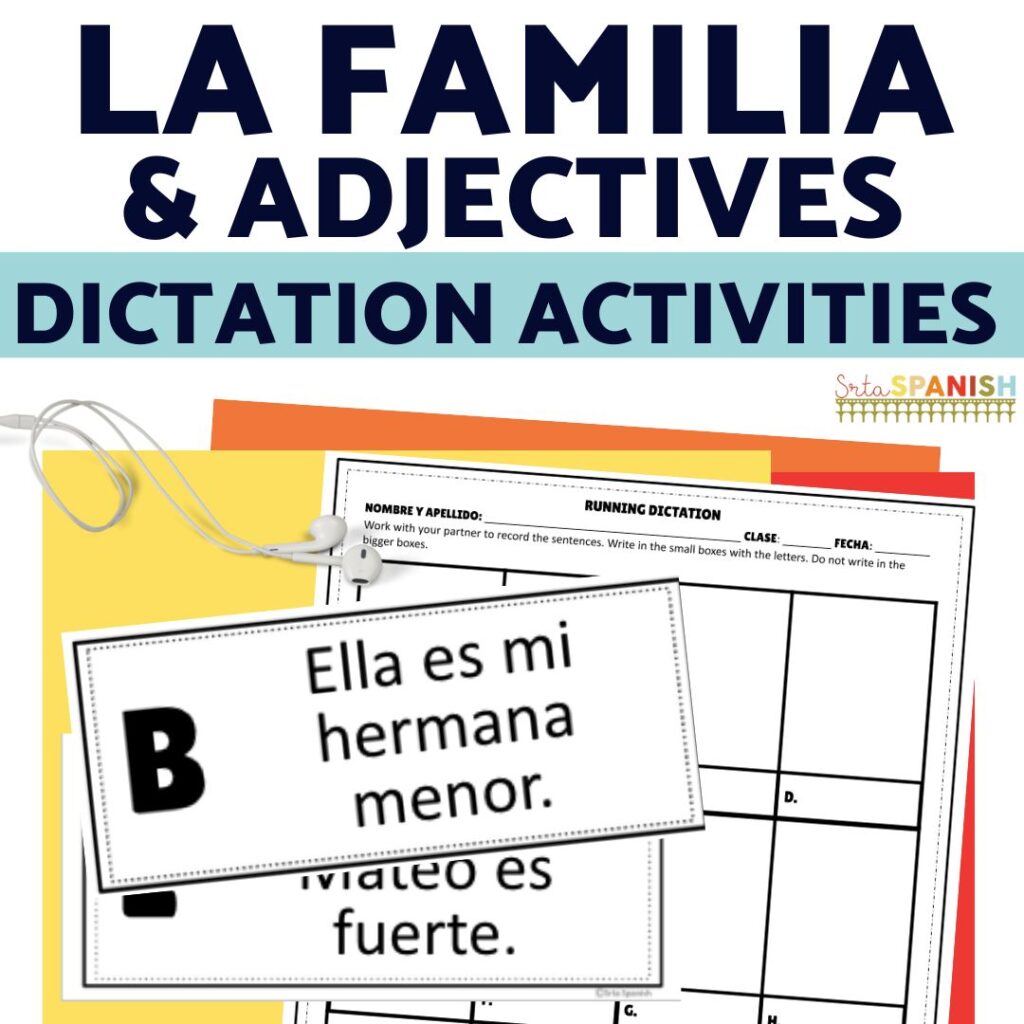
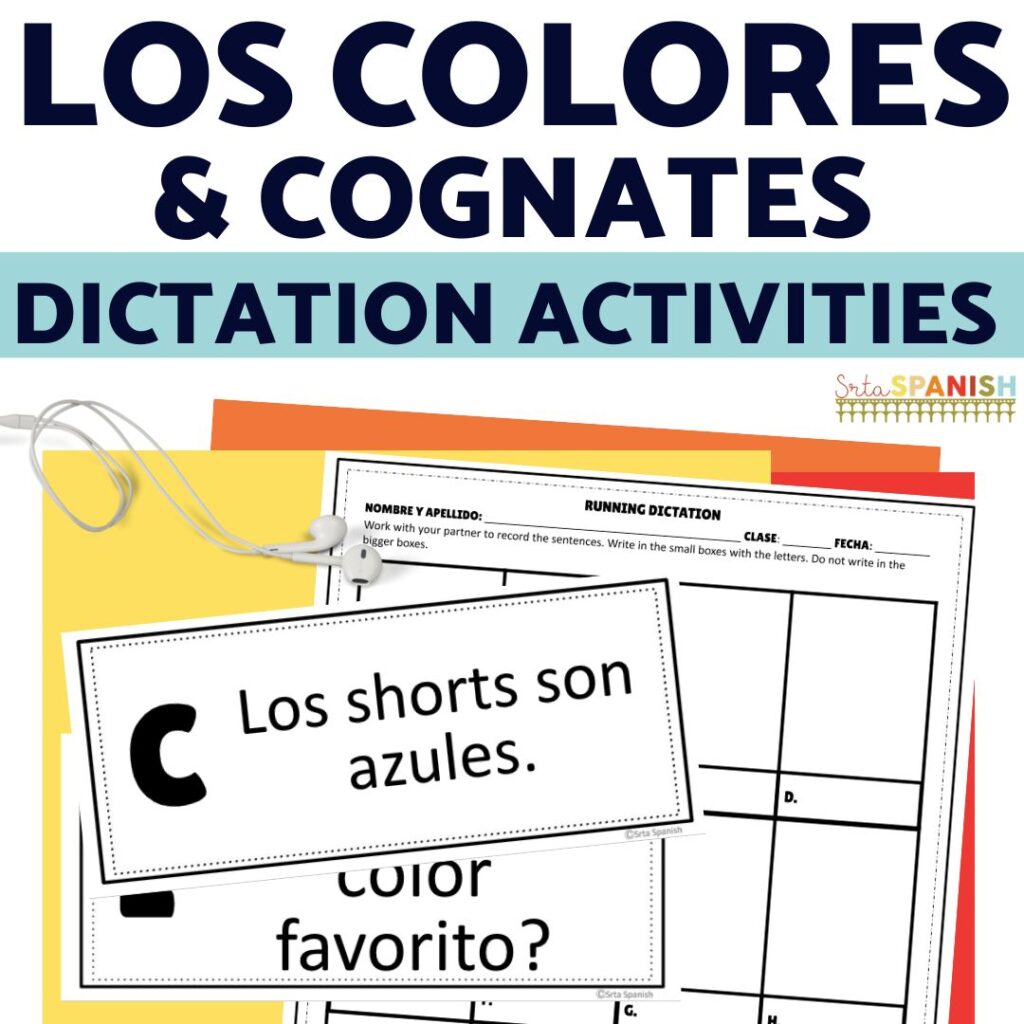
If you’re looking for some activities to go with your units to save you time, check out these pre-made sets I have for you! They’re ready to go, super easy to use, and your students will love them.
No need to reinvent the wheel when you’ve got engaging, CI-friendly resources at your fingertips.
Click through, download, and get your class rolling with meaningful input in minutes!


-
El Día de los Muertos Activities Day of the Dead Escape Room Spanish Lesson Plan
$4.25 Add to cart -
Sale!
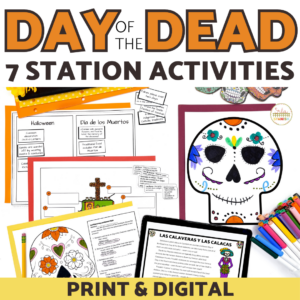
Día de los Muertos Activities for Exploring Day of the Dead
Original price was: $12.59.$8.12Current price is: $8.12. Add to cart -

Día de los Muertos Day of the Dead Digital Activities in English
$3.75 Add to cart -
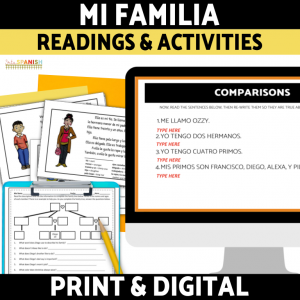
La Familia Spanish Family Tree Vocabulary Activity Reading Comprehension Passage
$5.25 Add to cart