Feelings and emotions in Spanish is another one of those concepts that our students need to know. Besides the fact that it shows up in every textbook, it also has obvious real-world applications for our students! Small talk, anyone? If you are trying to shift to CI while following a mandated scope and sequence, this topic is definitely one you’ll need to cover!
In previous years, I have done an entire unit on emotions. Oh, there was some sort of thematic focus according to the textbook, sure, but the end goal was really, “I can say how I am feeling in Spanish.” We spent weeks on it! Over the past few years, I’ve been trying to be more methodical about how I introduce feelings and emotions in Spanish class, and my students have been using the language without any issues at all. It has become a seamless part of our communication. I wanted to share some of the ways I’ve woven feelings and emotions in Spanish class into our routines in a way that actually sticks.
Start of Spanish Class Routine
First and foremost, I credit the beginning of class routine with my kids learning family vocabulary throughout the year. You can read my post on it here, but the gist is that each day we begin class with a check in, a little chat about the weather, and if anyone has anything going on that day.
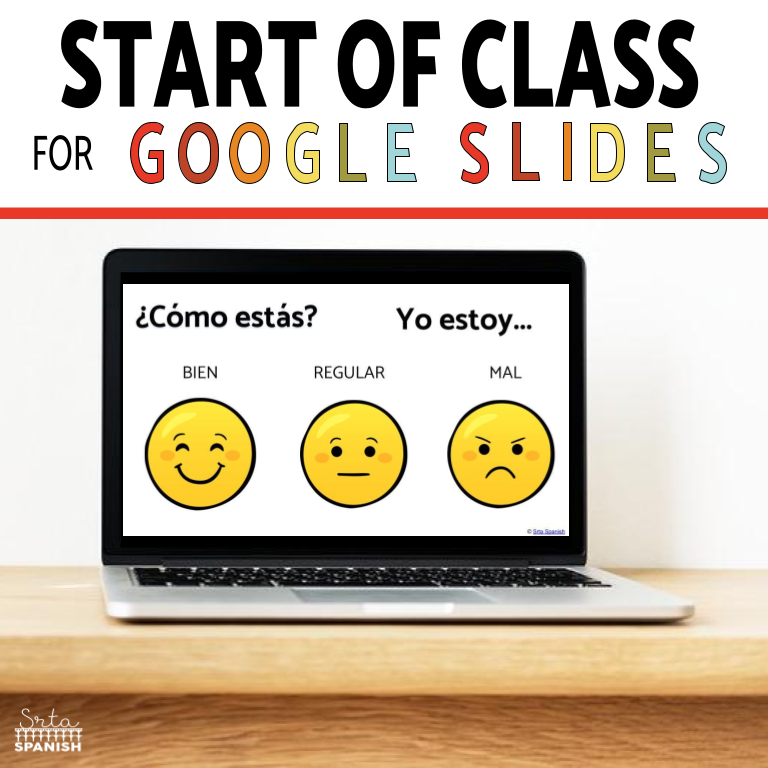
I usually project these Slides on my screen in front of students and talk to them as a whole class, but every now and then we just need something different. That’s why I made a Google Form version! When it’s time for a change up, I post this Google Form in Google Classroom to let the students work individually – or even talk through while each student is answering away.
With both routines I start very gradually. At the beginning of the year with my level ones it’s like what you see above. How are you feeling today? I’m good.//I’m bad. We eventually work our way into what you see below! How are you feeling today and why?
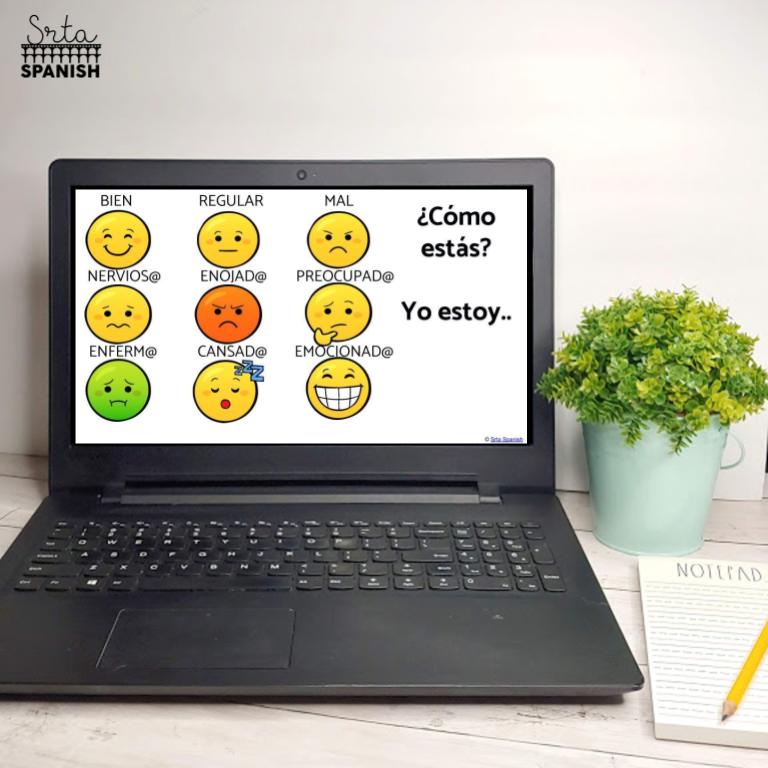
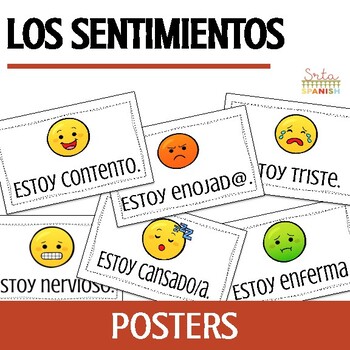
While we are using these routines, I love to have a visual reference for students! A simple option is to create a word wall with posters for my students to look at while we are speaking. When we move beyond the check in and are doing a timed writing, students reference the posters as they are creating stories of their own!
Building Real Conversations with Emotion
When I first start teaching feelings and emotions in Spanish class, I keep it simple. We do quick daily check-ins like “¿Cómo estás?” and at the start, most students just stick to “bien” or “mal.” But over time, as they hear more and get comfortable, the answers get more detailed and more real. One student might say they’re nervous about a test, another excited for the weekend. That’s when I know it’s working. We’re not just practicing vocab — we’re building a space where students can actually talk about their lives using Spanish.
Review Games for Feelings in Spanish
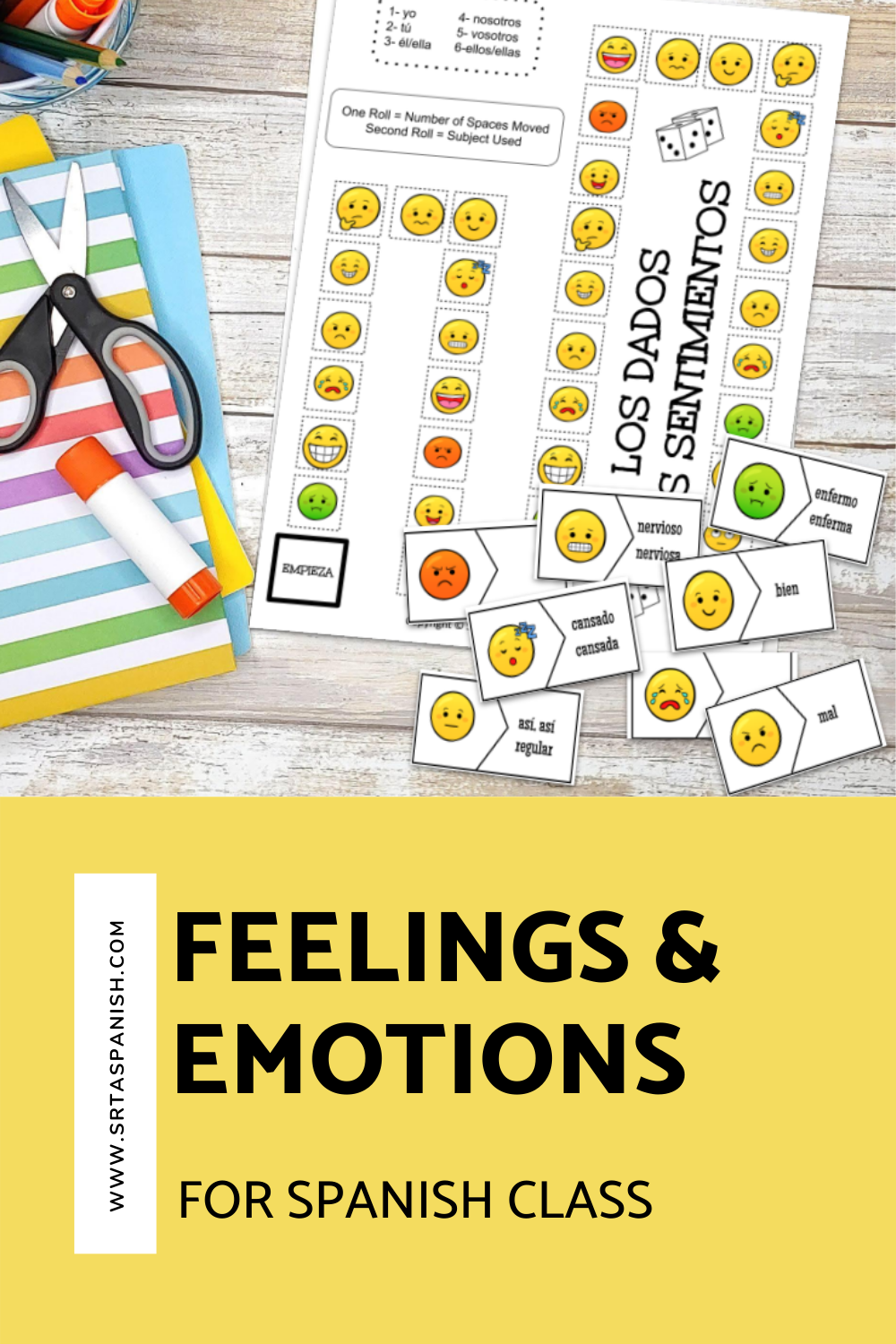
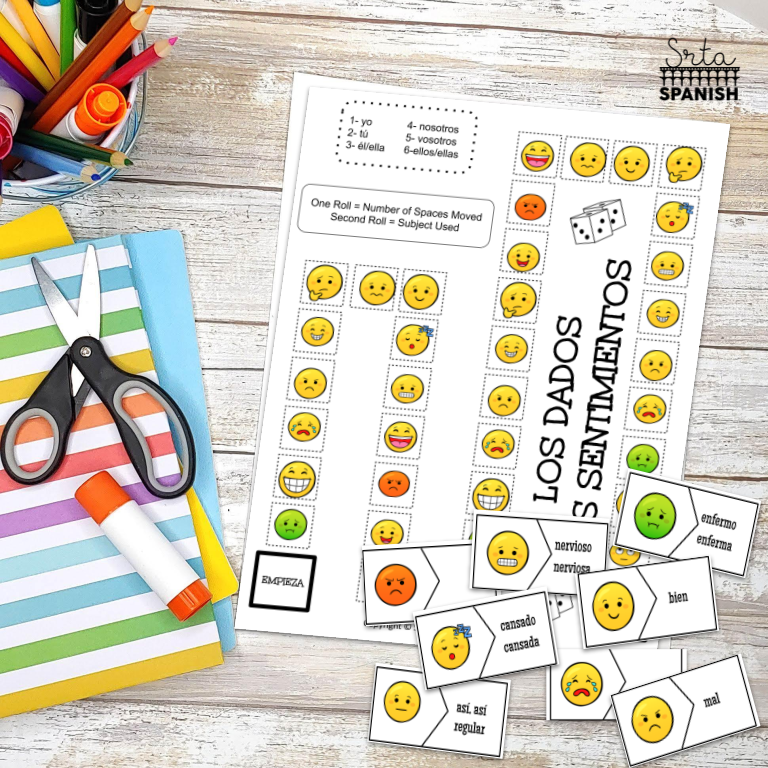
Grid puzzle games are another great way, to get students to do more reading and practice! Print the completed puzzle for your students, or give them the blank version for vocabulary practice prior to cutting the puzzle apart!
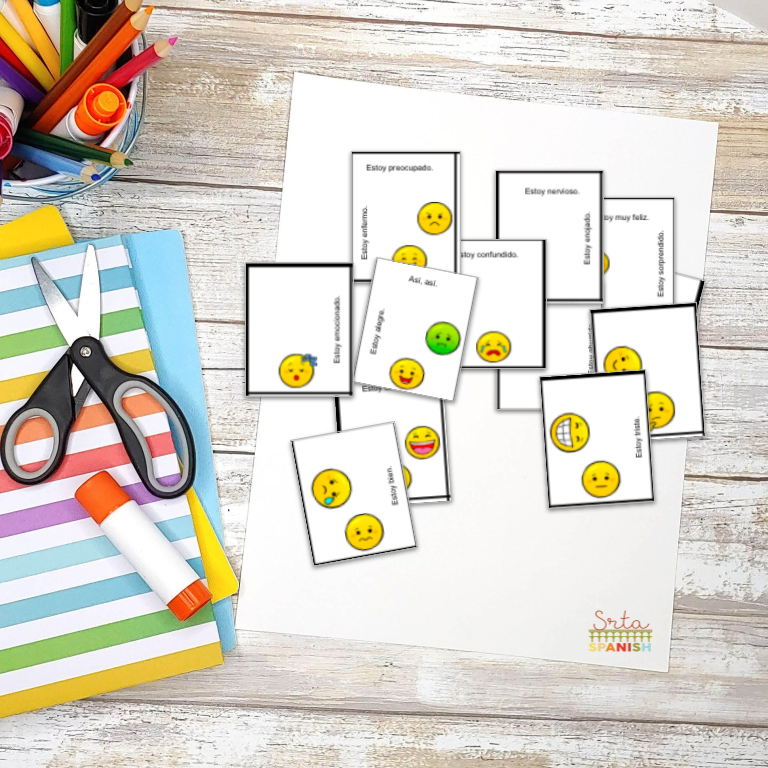
Other matching games and dice games are a great option to mix up your review games! Students can play with the puzzles individually or in small groups, and the dice game is always a hit for groups of 3-4 students to play!
Boom Cards
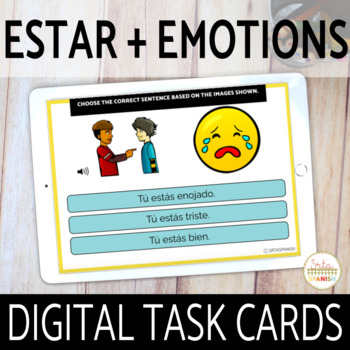
Boom Cards are a great way to get your students more practice with a set of vocabulary. These digital, interactive task cards are self-checking and give instant feedback to your students! This set includes practice for forms of estar, as well as feelings vocabulary! Click here to try them out.
Making Practice Fun and Low-Stress
Let’s be honest, review games save us all. When we focus on feelings and emotions in Spanish class, I like to use anything that gets them moving or laughing. Charades, emoji flashcards, even quick sketch prompts where students draw how they feel and explain it. I keep posters on the wall with common phrases and mix in listening and writing, too. The goal isn’t to memorize a list. It’s to help students really use these words in a way that sticks with them. And when they start slipping feelings words into their other writing or conversation work, it feels like a win.
More Practice Activities for Feelings in Spanish
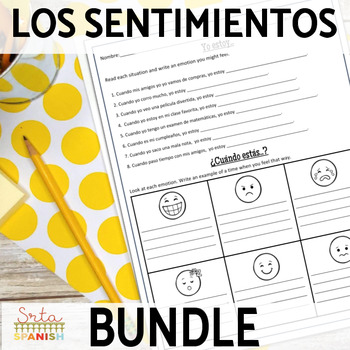
Grab the resources mentioned in the post in this bundle of activities for feelings vocabulary!


-
El Día de los Muertos Activities Day of the Dead Escape Room Spanish Lesson Plan
$4.25 Add to cart -
Sale!
Día de los Muertos Activities for Exploring Day of the Dead
Original price was: $12.59.$8.12Current price is: $8.12. Add to cart -

Día de los Muertos Day of the Dead Digital Activities in English
$3.75 Add to cart -
La Familia Spanish Family Tree Vocabulary Activity Reading Comprehension Passage
$5.25 Add to cart