Inside: 7 comprehensible input activities you can use in your world language classroom to deliver CI to your students.
Something that I found most overwhelming about transitioning to comprehensible input (CI) is that there are so many different strategies. How do you know where to start, or what to choose? Let’s start with this: you researching methods is a great place to start, and you’re doing a fantastic job!
A strategy that worked for me was to pick one method, and try it until I felt comfortable and confident. As I became more familiar with methods, I added new ones until I had several to use in my planning. This had the bonus of reducing my plan and prep time. It also makes it easier to spend more time in Spanish in my classroom, even at level one. When you use a few activities routinely, you get better at them, and the students know what to expect. It may get to a point where you can name the activity and students will remember expectations and transition as needed!

This post is part of my HOW TO TRANSITION TO CI METHODS series. Check out the other posts here!
- What is CI & where to start?
- Classroom Routines
- Teaching CI with a textbook
- CI Activities for your Classroom (this post)
- Assessment in a CI Classroom
Watch the Playlist of Comprehensible Input Activities
Comprehensible Input Activities in Spanish Class
Here are seven strategies you can implement in your classroom and use routinely to save time and engage your students! Click on the links in each activity to get more in-depth info on each one.
1. Movie Talk is what I routinely refer to as my “gateway activity” that got me into CI. Use selected scenes, shorts, or screen grabs to provide images for your students that you narrate in the target language. I love that using a movie or YouTube video provides the plot and removes any stress of creating a story. This activity naturally lends itself to rich, repetitive input while keeping students curious about what happens next. You can easily pause, ask questions, and even let students help co-create dialogue to keep them active in the process.

2. Read Out Loud – You read, they read, we all read, reading is great! It’s low energy, low-stress, and a great confidence booster for students to read and understand a text in their target language. The linked post has a few ideas for variants. It’s the perfect bridge from listening to speaking. You can rotate readers, use silly voices, or even turn it into a mini performance to keep it light and engaging while building fluency.
3. Speed Date Translate – Read out loud, plus movement. Students read and translate with a partner, rotating partners at a set time. If each partner stops at a different spot, they have to go back and re-read parts of the story so they’re together. Win!
4. The Most Important Sentence is another activity that involves a lot of re-reading. However, this time it includes some re-writing and some analysis. Students are given a story and are challenged to narrow down the text to determine which is the most important sentence.
Dictation (Classic // Running) – Whichever variation you choose is great practice! Students get to hear the structures multiple times and write the language they hear. It’s also a great chance for them to monitor their own accuracy and spelling in a low-stress way.
6. Picture Talk is actually something I use so frequently it’s one of my weekly routines. It is very, very similar to Movie Talk, except you focus on one or two images instead of a movie. It’s a great way to relate to students as you share silly images you found on the internet.
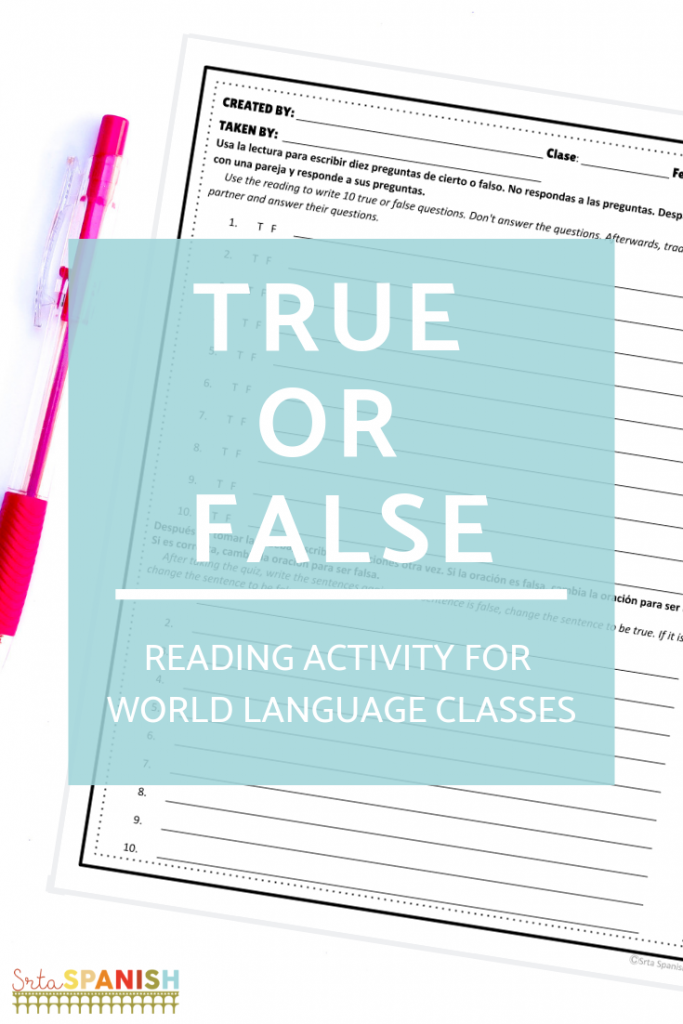
7. True/False is one of the simplest activities there is, but that’s no reason to hate on it! Students create their own true or false statements about a reading selection, trade, and answer. I love that this gives students a chance to “create” sentences, while being provided with a lot of structure. Simply by adding a “no”or changing a name or adjective they begin to understand and play with meaning. There are also a few short extensions or games you can play with this activity!
Why Comprehensible Input Activities Work So Well
The beauty of comprehensible input activities is that they create an immersive language experience without overwhelming your students. Instead of front-loading rules or vocabulary lists, CI activities like Movie Talk or Picture Talk give students natural, repeated exposure to the target language in context. This repeated exposure helps reinforce high-frequency structures and vocabulary without rote memorization. And because these activities are built around compelling input, students stay more engaged and retain more of what they hear. That means better language acquisition and fewer, “Wait, what does that mean again?” moments.
Planning Your Week with CI Activities
One of the best parts of having a toolbox of go-to CI strategies is how easily they plug into your weekly planning. For example, start Monday with Picture Talk to introduce structures, reinforce them with a reading on Tuesday, try Speed Date Translate on Wednesday, and close the week with a timed writing or True/False review. This routine builds a rhythm in your class while offering students variety and meaningful repetition. If you’re looking to make your lesson planning even easier, try batching a few activities together with the same story or content focus. It saves time and delivers powerful language practice.
Your Favorite Comprehensible Input Activities
There! Those seven strategies are my most used CI activities in my classroom. Have you used any of these activities? Am I missing any of your favorites? Drop a comment below, or visit me on Instagram!
More Comprehensible Input Activities


-
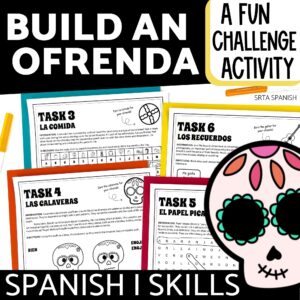
El Día de los Muertos Activities Day of the Dead Escape Room Spanish Lesson Plan
$4.25 Add to cart -
Sale!
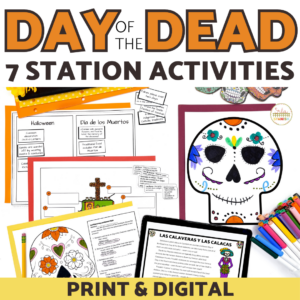
Día de los Muertos Activities for Exploring Day of the Dead
Original price was: $12.59.$8.12Current price is: $8.12. Add to cart -

Día de los Muertos Day of the Dead Digital Activities in English
$3.75 Add to cart -
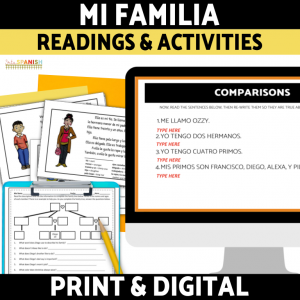
La Familia Spanish Family Tree Vocabulary Activity Reading Comprehension Passage
$5.25 Add to cart